Workers gather in a circle near a construction trailer, hard hats on, coffee in hand. A supervisor pulls out a printed sheet and begins discussing the proper use of fall protection harnesses. Ten minutes later, the crew disperses—some nodding, a few asking follow-ups. This isn’t a formal training session. It’s a toolbox talk: brief, focused, and built for real-world relevance.
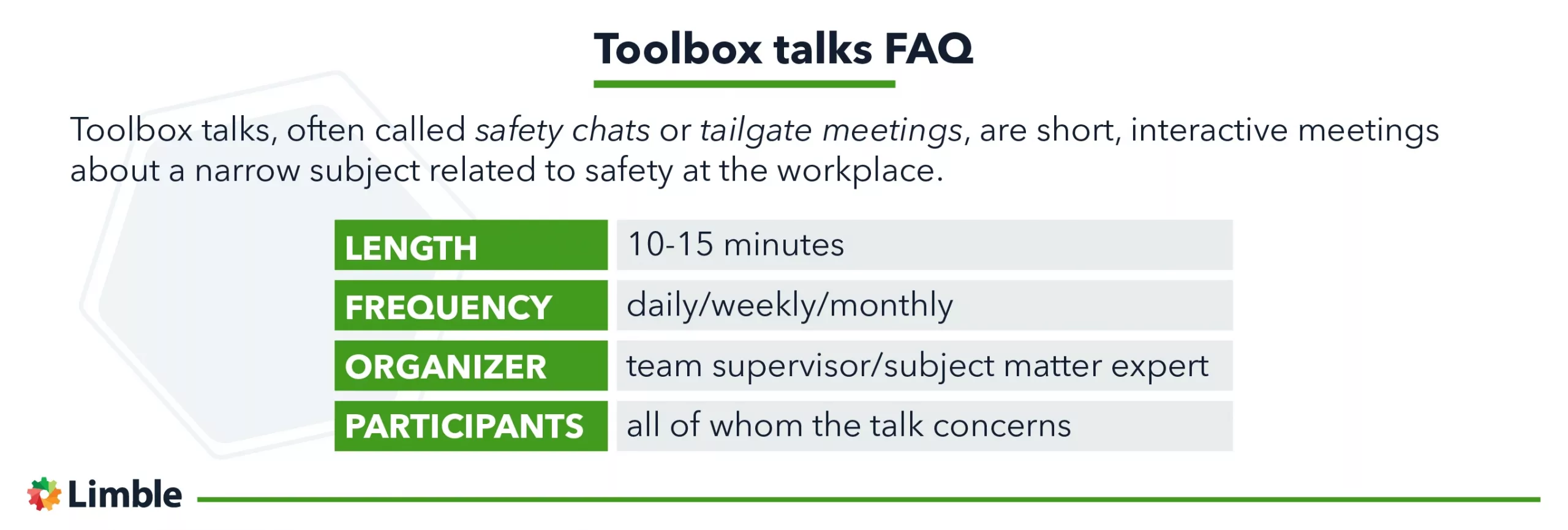
Toolbox talks are short safety meetings—typically 5 to 15 minutes long—held at the worksite to address specific hazards, reinforce safe behaviors, or introduce new procedures. They’re not meant to replace comprehensive safety training. Instead, they act as timely, targeted touchpoints that keep safety top of mind when and where it matters most.
Their purpose? To prevent accidents, clarify risks, and foster a culture where safety is part of the daily conversation—not an afterthought.
The Core Purpose of Toolbox Talks
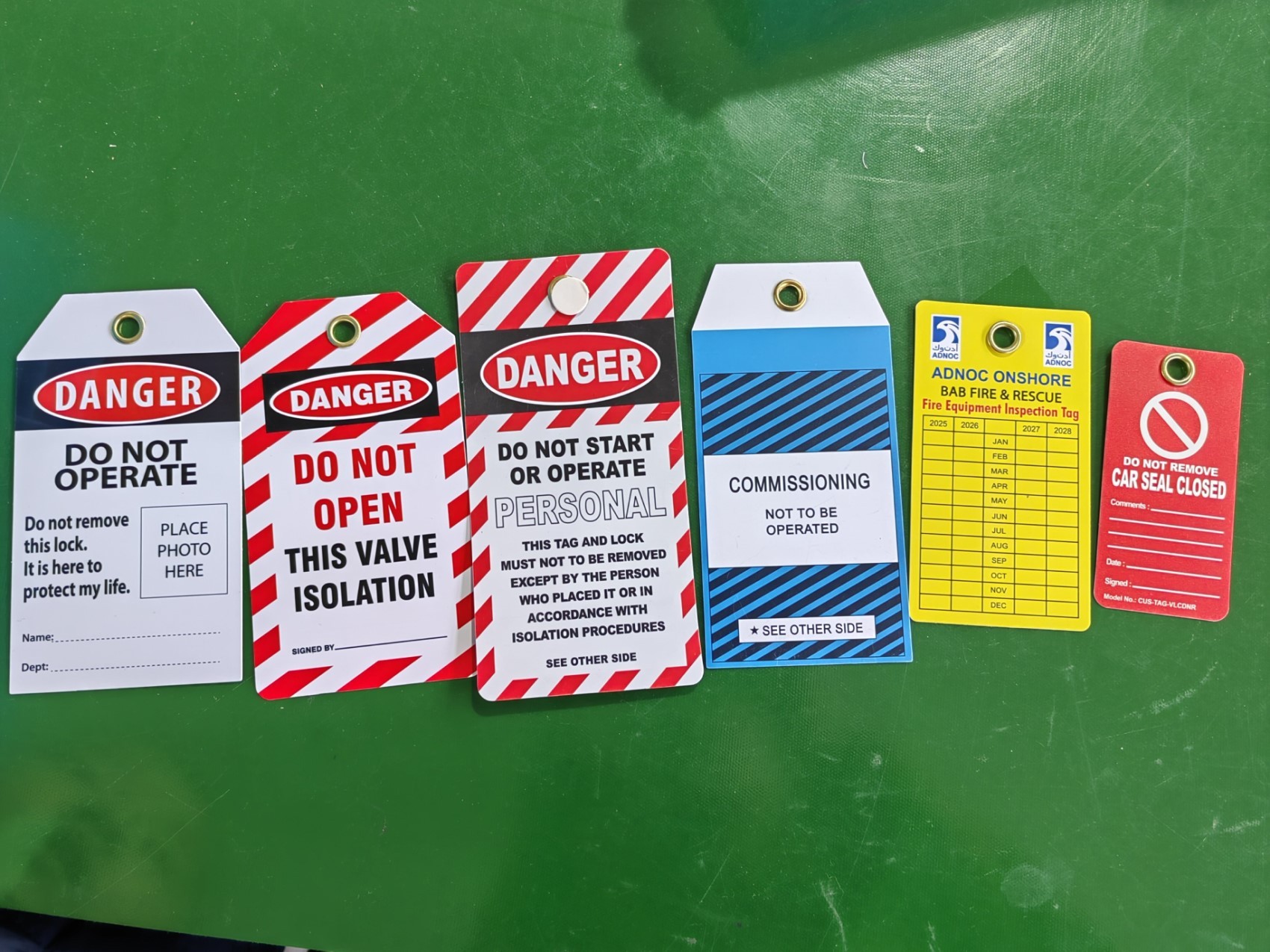
At their best, toolbox talks bridge the gap between policy and practice. They turn abstract safety rules into concrete, actionable guidance. A written safety manual might say, "Use lockout/tagout procedures when servicing equipment." A toolbox talk shows workers how it applies today, on this machine, with their team.
Their purpose unfolds across four key areas:
- Hazard Awareness – Spotlight specific risks (e.g., working near exposed electrical wires) before work begins.
- Behavior Reinforcement – Remind teams of correct PPE use, lifting techniques, or communication protocols.
- Knowledge Gaps – Clarify misunderstandings or update crews on new tools, materials, or site conditions.
- Engagement – Encourage workers to speak up, ask questions, and contribute to safety decisions.
Unlike annual compliance training, toolbox talks are situational. They respond to real-time conditions—weather changes, new subcontractors on site, equipment repairs. This immediacy makes them one of the most practical tools in safety management.
When and Where Toolbox Talks Are Used
Toolbox talks aren’t limited to construction, though that’s where they’re most visible. They’re used across industries where physical risk is part of the job:
- Construction – Daily huddles before crew deployment.
- Manufacturing – Pre-shift meetings at assembly lines.
- Oil & Gas – Safety briefings before rig operations.
- Utilities – Pre-job checks before live-line work.
- Warehousing – Forklift safety reminders during shift changes.
They’re typically delivered at the start of a shift, before a high-risk task, or after a near-miss. The location is always close to the work—by equipment, at a staging area, or in the field—because proximity reinforces relevance.
Timing matters. A talk held too early loses context; one delayed until work has started is too late. The sweet spot is just before the hazard is encountered, when focus is highest and memory retention peaks.
Anatomy of an Effective Toolbox Talk
Not all toolbox talks achieve their purpose. The ineffective ones are monologues, rushed, or recycled from generic templates. The best follow a simple but deliberate structure:
1. Clear Topic Focus Choose one specific subject: “Using Ladders Safely,” “Recognizing Heat Stress,” or “Proper Respirator Fit Checks.” Avoid broad themes like “General Safety.”
2. Real-World Relevance Tie the topic to today’s work. Example: “We’re installing roof vents this morning. Let’s talk about edge protection and harness anchoring points.”
3. Visual or Physical Demonstration Show, don’t just tell. A supervisor might demonstrate how to inspect a harness or point out a tripping hazard on-site.
4. Worker Interaction Ask questions: “Has anyone seen a ladder slip recently?” “What would you do if you felt dizzy in this heat?” Participation increases retention.
5. Documented Attendance Sign-in sheets prove the talk happened—critical for audits, insurance, and compliance.
Without these elements, a toolbox talk becomes a box-ticking exercise. With them, it becomes a catalyst for safer behavior.
Common Mistakes That Undermine Toolbox Talks
Even organizations with formal safety programs fall into predictable traps:
Repetition Without Variation Running the same “Fall Protection” talk every Monday, word-for-word, leads to disengagement. Workers tune out. Rotate topics. Adjust based on season, project phase, or incident trends.
Lack of Leadership Involvement
When only safety officers lead talks, workers see them as administrative tasks. Supervisors and foremen should lead frequently—this signals that safety is a leadership priority, not just compliance.
No Follow-Up A talk about improper PPE use is useless if violations go uncorrected the next day. Supervisors must reinforce messages in real time: “Hey, Mike—chinstrap on your hard hat, please.”
Skipping Talks After Incidents Ironically, after a near-miss or injury, some teams skip talks to “keep morale up.” That sends the wrong message. A well-run post-incident talk can rebuild confidence and prevent recurrence.
Avoid these pitfalls by treating toolbox talks as dynamic, responsive conversations—not static presentations.
Examples of Toolbox Talk Topics by Industry
Relevance drives impact. Below are practical examples of effective toolbox talk topics tailored to real work environments:
Construction
- “Securing Trench Edges Before Entry”
- “Avoiding Overhead Power Line Contact with Equipment”
- “Proper Use of Personal Fall Arrest Systems”
Manufacturing
- “Lockout/Tagout for Conveyor Repairs”
- “Handling Chemical Spills in the Paint Booth”
- “Machine Guarding Inspection Checklist”
Warehousing
- “Pedestrian Safety in High-Traffic Zones”
- “Safe Stacking of Pallets in Narrow Aisles”
- “Recognizing Early Signs of Fatigue”
Utilities
- “Testing for Gas Leaks in Confined Spaces”
- “Arc Flash Protection During Switching Operations”
- “Wildlife Hazards When Working in Rural Areas”
Each topic answers: What could go wrong today, and how do we prevent it?
Why Toolbox Talks Work: The Psychology Behind the Practice
The effectiveness of toolbox talks isn’t just operational—it’s psychological.
They reduce normalization of deviance. Over time, workers may drift from safe practices because “nothing bad happened before.” A weekly talk resets expectations and counters complacency.
They promote psychological safety. When workers are encouraged to speak up, they’re more likely to report hazards or admit uncertainty—without fear of reprimand.
They build shared mental models. When a crew discusses a hazard together, they align on risks, roles, and responses. This coordination is crucial during emergencies.
Research supports this. A study by the National Institute for Occupational Safety and Health (NIOSH) found that worksites using regular safety briefings saw up to a 30% reduction in incident rates compared to those relying solely on formal training.
Integrating Toolbox Talks Into Daily Workflow For toolbox talks to stick, they must fit seamlessly into operations—not feel like an interruption.
Schedule Them Like Equipment Checks Treat talks as non-negotiable, like inspecting a crane or testing gas meters. Build them into shift start protocols.
Use Digital Tools Apps like iAuditor, SafetyCulture, or Procore allow supervisors to:
- Access pre-built talk templates
- Record attendance digitally
- Attach photos or videos
- Track completion across crews
This reduces paperwork and increases accountability.
Rotate Topics Monthly Create a 12-month calendar covering core hazards. Example:
- January: Cold stress
- April: Working at heights
- July: Heat illness
- October: Equipment maintenance
Supplement with on-demand talks triggered by conditions or incidents.
Train Leaders, Not Just Safety Staff Foremen and crew leads should be coached on how to facilitate engaging talks—not just read from a script. Practice active listening, eye contact, and asking open-ended questions.
The Ripple Effect of Consistent Safety Communication
A single toolbox talk might seem minor—a blip in the workday. But done consistently, they create a cumulative effect.
Workers begin to anticipate them. They arrive with questions. They point out hazards before being prompted. Safety shifts from being something enforced to something owned.
One electrical contractor reported that after instituting mandatory daily talks, their crew started holding informal “mini-talks” before every task—even on weekends. That’s cultural change in action.
Toolbox talks aren’t magic. They don’t replace engineering controls or protective gear. But they are one of the most accessible, low-cost tools to reinforce what matters: keeping people safe, every single day.
Closing: Make Every Talk Count
Toolbox talks work best when they’re relevant, interactive, and led by people workers trust. Don’t treat them as compliance theater. Use them to connect, clarify, and correct.
Pick one high-risk task on your site. Craft a 10-minute talk around it. Bring the team close to the hazard. Ask, “What could go wrong?” Then listen.
That’s not just a safety meeting. That’s leadership in action.
What is a toolbox talk? A toolbox talk is a short, informal safety meeting held at the worksite to discuss specific hazards, reinforce safe practices, and promote real-time awareness among workers.
Why are toolbox talks important? They keep safety visible and practical, reduce accidents by addressing immediate risks, and encourage worker participation in maintaining a safe environment.
How long should a toolbox talk last? Ideally 5 to 15 minutes—long enough to cover a topic clearly, but short enough to hold attention and fit into the workday.
Who should lead a toolbox talk? Supervisors, foremen, or safety officers—especially those directly involved in the work—should lead to ensure relevance and accountability.
Can toolbox talks prevent workplace injuries? Yes, when delivered consistently and tied to real conditions, they help catch hazards early, correct unsafe behaviors, and reinforce safety culture—reducing incident rates over time.
Should toolbox talks be documented? Yes. Attendance records, topics covered, and any follow-up actions should be logged for compliance, audits, and continuous improvement.
Are toolbox talks only for construction? No. They’re effective in any high-risk industry, including manufacturing, utilities, warehousing, and oil and gas, wherever proactive safety communication is needed.
FAQ
What should you look for in What Are Toolbox Talks and Their Purpose in Safety? Focus on relevance, practical value, and how well the solution matches real user intent.
Is What Are Toolbox Talks and Their Purpose in Safety suitable for beginners? That depends on the workflow, but a clear step-by-step approach usually makes it easier to start.
How do you compare options around What Are Toolbox Talks and Their Purpose in Safety? Compare features, trust signals, limitations, pricing, and ease of implementation.
What mistakes should you avoid? Avoid generic choices, weak validation, and decisions based only on marketing claims.
What is the next best step? Shortlist the most relevant options, validate them quickly, and refine from real-world results.