When Eliud Kipchoge crossed the finish line in Vienna in 2019, the world celebrated a sub-two-hour marathon. But behind the historic feat was a detail that stunned engineers and runners alike: the shoes on his feet weighed less than a bar of soap. At just under 180 grams—about the weight of two average hotel-sized soap bars—the Nike Alphafly NEXT% wasn’t just fast. It was revolutionary.
This wasn’t about minimalism for aesthetics. It was precision engineering aimed at one goal: cutting every possible millisecond from a 26.2-mile race. The phrase “lighter than a bar of soap” became shorthand not just for weight, but for a paradigm shift in performance footwear.
The Physics of Light: Why Shoe Weight Matters in Marathons
Every gram counts over 42 kilometers. Studies show that for every 100 grams added per shoe, running economy decreases by approximately 1%. That translates to roughly 1–2 seconds per kilometer—enough to turn a personal best into a mid-pack finish at elite levels.
But reducing weight without sacrificing support or propulsion is a tightrope walk. Traditional marathon shoes balanced cushioning and durability, often tipping the scale at 250+ grams. The breakthrough came from rethinking materials, structure, and energy return—not just trimming foam.
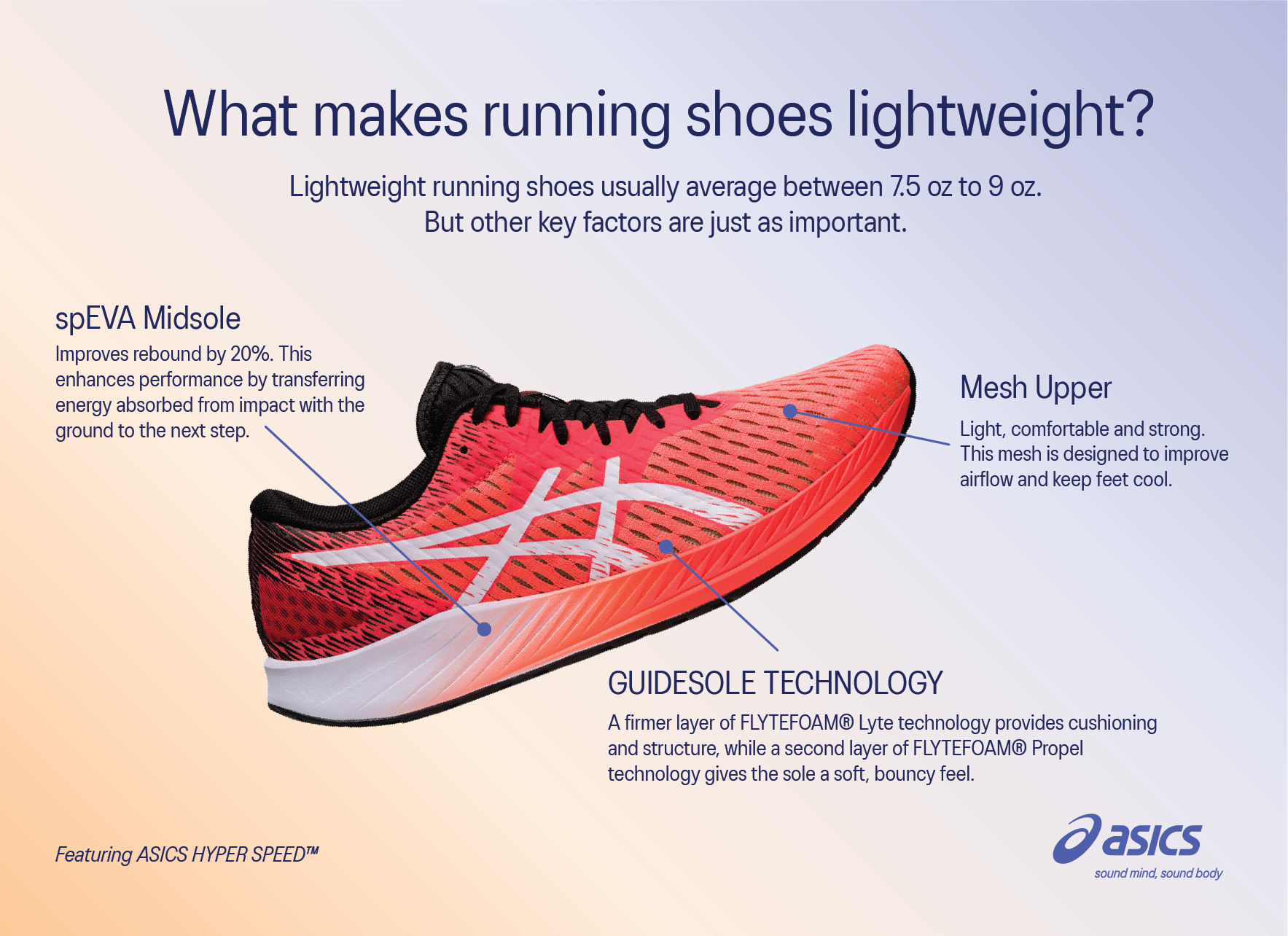
Take the Alphafly. Its carbon fiber plates, ZoomX foam, and aerodynamic upper reduced mass while increasing energy return by up to 85% compared to standard EVA foam. The result? Less energy lost with each stride. Less fatigue over miles. More speed—without extra effort.
Runners in testing reported a “trampoline effect,” where the shoe seemed to propel them forward. That sensation, combined with the featherlight frame, created a feedback loop: lighter shoes → more efficient stride → less muscle fatigue → sustained pace.
Anatomy of a Record-Breaking Shoe
What turns a running shoe into a record-shattering tool? The Alphafly and its successors aren’t just light—they’re engineered systems. Here’s how they break down:
#### 1. ZoomX Foam: The Energy Engine Developed from space boot insulation, ZoomX is Nike’s lightest, bounciest midsole material. It’s 13% lighter than traditional foams and returns more energy with each step. The downside? Durability. It wears faster, which is acceptable for race-day use but not daily training.
#### 2. Dual Carbon Fiber Plates: Stability Meets Propulsion Unlike single-plate designs, the Alphafly uses two curved carbon rods. These act like leaf springs, storing energy at footstrike and releasing it during toe-off. The dual setup enhances torsional rigidity—critical when pushing past 20 miles, where form degrades.
#### 3. Aero-Fit Upper: Cut the Drag The mesh upper isn’t just thin—it’s strategically perforated. Ventilation zones align with high-heat areas (ball of foot, toes), while seamless overlays reduce friction. The result is a glove-like fit that weighs nearly nothing and minimizes air resistance.

#### 4. Raised Heel and Rocker Geometry The shoe’s curvature encourages a forward roll, reducing braking forces. This “rocker” design decreases calf strain and improves stride consistency in late stages of the race.
Together, these components form a biomechanical advantage. One study found runners using super shoes like the Alphafly improved 10K times by 2–4% on average—scaling to over 3 minutes saved in a marathon.
The Soap Test: How Light Is Light Enough?
“Lighter than a bar of soap” isn’t marketing fluff—it’s a real benchmark. An average hotel soap bar weighs about 90–100 grams. A men’s size 9 Alphafly NEXT% weighs roughly 215 grams—split across two shoes, that’s 107.5 grams each. Close enough to claim the comparison, especially given the performance payload.
But weight isn’t the only factor. A carbon-plated racing flat from 2015 might have been lighter, but without energy-return foam or aerodynamic design, it couldn’t deliver the same efficiency. The modern super shoe wins by optimizing the entire system, not just shedding grams.
Still, there’s a threshold. Go too light, and you lose protection. Some prototypes dipped below 160 grams but caused increased injury risk due to insufficient cushioning. The sweet spot? 170–200 grams for men’s race shoes—light enough to feel invisible, robust enough to survive 26.2 miles at elite pace.
Controversy and Consequences: Are Super Shoes Unfair?
The Alphafly didn’t just break records—it sparked a debate. In 2020, World Athletics introduced新规 limiting midsole thickness (40mm max) and restricting multiple embedded plates. Why? Because shoes like the Alphafly were seen as mechanical doping.
Critics argued that access to these shoes created an uneven playing field. Only athletes sponsored by major brands could wear the latest tech in competition. Independent runners or those from smaller federations were left behind.
But defenders pointed out that innovation has always shaped sport. From fiberglass poles in pole vault to dimpled golf balls, technology amplifies human potential—it doesn’t replace it. Kipchoge still had to train 120 miles a week, endure mental strain, and execute flawlessly. The shoe didn’t run the race.
Still, the rules tightened. The Alphafly was grandfathered in, but future iterations had to comply. The result? A new era of regulated innovation—where gains come from smarter design, not just thicker foam or extra plates.
Real-World Impact: Beyond the Elite
While record-breaking shoes are designed for sub-2:05 runners, their tech trickles down. The Nike ZoomX Vaporfly Next%—a slightly heavier, more durable version—became a staple for amateur marathoners.
Consider Sarah, a 3:30 marathoner from Chicago. After switching to the Vaporfly from a standard trainer, she dropped 7 minutes in her next race. No change in training volume. No new coach. Just better shoes.
Amateur runners benefit disproportionately. Less efficient form means more energy waste—so high-return shoes have a greater relative impact. A 3–4% improvement isn’t just possible—it’s common.
But caution applies. Super shoes aren’t for everyone. Their stiffness demands strong calves and good form. Overuse can lead to Achilles or plantar issues. Most coaches recommend: - Using them only on race day or key workouts - Building up to them with shorter distances - Pairing with strength training
The Future: What’s Next
After “Lighter Than Soap”?
The next frontier isn’t just weight—it’s intelligence. Prototypes now include: - Pressure-sensing insoles that adjust firmness in real time - Biodegradable foams with similar energy return - 3D-printed midsoles customized to individual gait patterns
Nike, Adidas, and New Balance are racing toward shoes that adapt mid-run. Imagine a shoe that stiffens during uphill sections and softens on descents—all while staying under 200 grams.
But the core principle remains: reduce mass without compromising function. The soap comparison may fade, but the obsession with lightness won’t. Every gram saved is a second reclaimed.
Practical Takeaways for Runners
You don’t need to break a world record to benefit from lightweight, high-performance shoes. But you do need to use them wisely.
Do: - Reserve super shoes for races and speed sessions - Match shoe drop (height difference between heel and toe) to your natural stride - Replace after 150–200 miles—ZoomX degrades faster than standard foam
Don’t: - Use them for long, easy runs—your muscles need to develop natural strength - Assume lighter = better for all conditions—on wet pavement or trails, grip and stability matter more - Ignore fit. A 10-gram difference means nothing if the shoe blisters your heel
Closing: Rethink Light, Not Just Fast
The phrase “lighter than a bar of soap” captures attention. But the real story isn’t the weight—it’s the engineering philosophy behind it. These shoes represent a fusion of material science, biomechanics, and athletic ambition.
For elite runners, they’re tools of precision. For weekend warriors, they’re enablers of personal breakthroughs. And for the sport, they’re a reminder that progress often comes from asking a simple question: How little can we make this—and still make it work?
If you’re preparing for a marathon, consider a super shoe. But respect it. Train into it. And remember: the lightest thing about it shouldn’t be your preparation.
FAQ
Are shoes lighter than a bar of soap durable enough for a full marathon? Yes, but only if used as intended—race day or key workouts. They’re built for performance, not daily training.
Can amateur runners benefit from super shoes like the Alphafly? Absolutely. Many sub-4-hour marathoners see 3–8 minute improvements thanks to better energy return and efficiency.
Why are carbon plates used in marathon shoes? They improve propulsion and stabilize the foot, reducing energy loss with each stride.
Do lightweight racing shoes increase injury risk? Potentially, if overused. Their stiffness demands strong supporting muscles—use them strategically.
How do I know if a lightweight shoe fits my running style? Test it on tempo runs first. Look for snug heel lock, toe room, and no pressure points.
Are there non-Nike alternatives to the Alphafly? Yes—Adidas Adizero Adios Pro, ASICS Metaspeed Sky, and Saucony Endorphin Pro offer similar tech.
Will future running shoes get even lighter? Likely not much. The focus is shifting to smart materials and customization over pure weight loss.
FAQ
What should you look for in Lighter Than a Bar of Soap: The Shoes That Broke the Marathon? Focus on relevance, practical value, and how well the solution matches real user intent.
Is Lighter Than a Bar of Soap: The Shoes That Broke the Marathon suitable for beginners? That depends on the workflow, but a clear step-by-step approach usually makes it easier to start.
How do you compare options around Lighter Than a Bar of Soap: The Shoes That Broke the Marathon? Compare features, trust signals, limitations, pricing, and ease of implementation.
What mistakes should you avoid? Avoid generic choices, weak validation, and decisions based only on marketing claims.
What is the next best step? Shortlist the most relevant options, validate them quickly, and refine from real-world results.