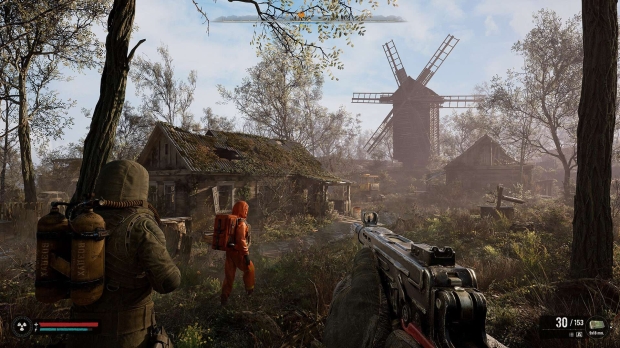
A new 35-minute video from the Stalker 2 development team doesn’t just tease gameplay—it dismantles the illusion of polish in favor of grit, decay, and psychological weight. This isn’t a cinematic trailer or a combat showcase. It’s a deliberate, almost meditative descent into what authenticity means in a game set in the Zone.
For years, fans have wondered whether Stalker 2 could recapture the oppressive realism of Shadow of Chernobyl—a game defined not by gunplay, but by the silence between bullets, the rust on railings, and the way light filters through broken concrete. This video answers that question with clarity: yes, but deeper.
The Video’s Core Message: Realism Over Spectacle
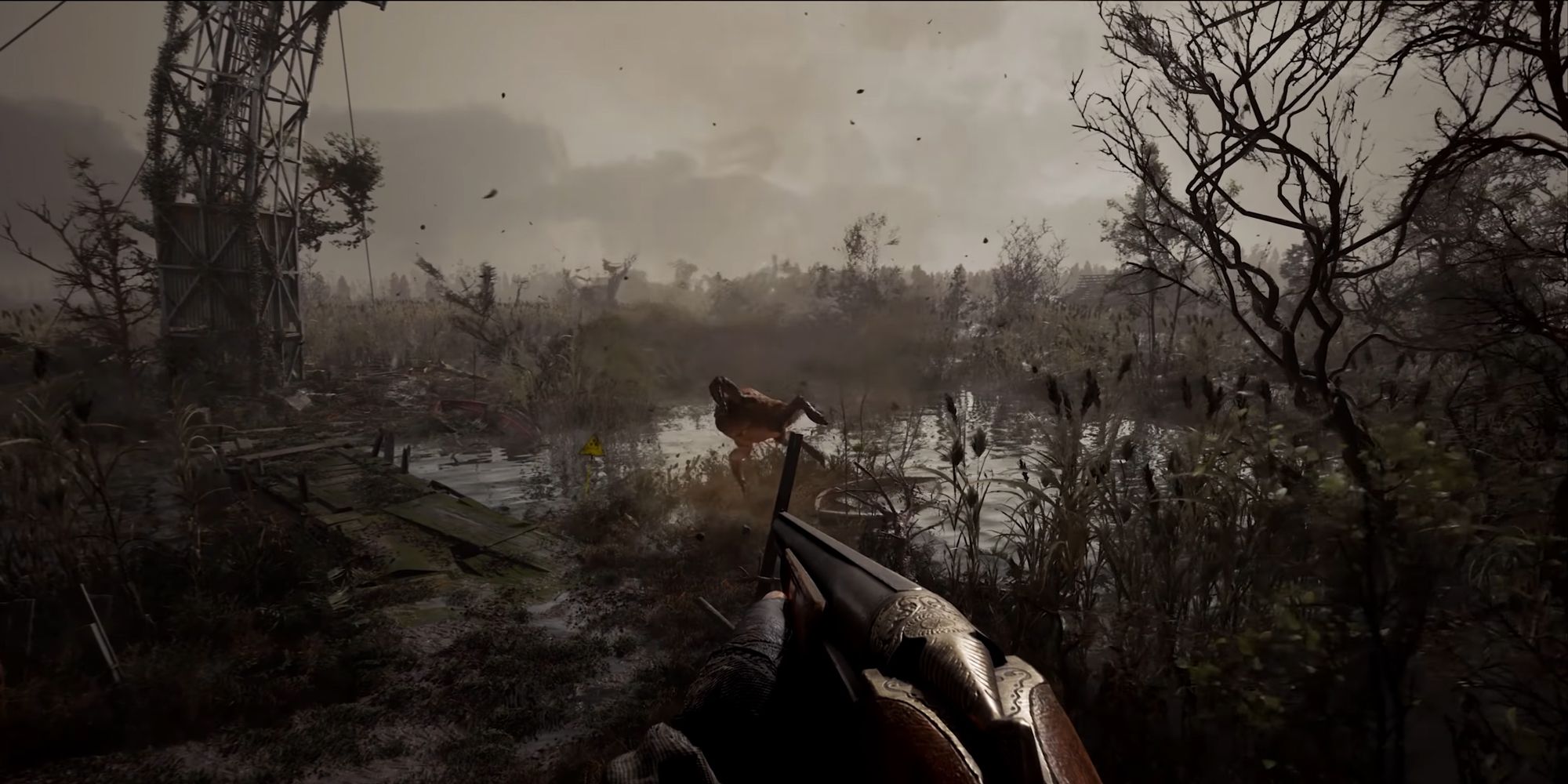
From the first frame, the tone is set: handheld camera work, muffled radio chatter, boots crunching on uneven terrain. The footage avoids traditional trailer beats—no slow-motion headshots, no dramatic music swells. Instead, we see a soldier adjusting his gas mask, a dog scavenging near a ruined car, a flickering generator powering a dimmed bunker.
What stands out is the intentional imperfection. Textures are worn. Animations aren’t fluid—they’re tired. The camera lingers on details most AAA studios would trim: a leaking pipe, a journal with illegible handwriting, a radio playing static-laced Ukrainian folk music.
This is authenticity as a design philosophy—not just visual fidelity, but emotional and environmental truth. The Zone isn’t a backdrop. It’s a character.
Why This Approach Matters Now
In an era where open-world games often feel like theme parks—predictable, safe, over-signposted—Stalker 2’s approach feels rebellious. The video doesn’t hide its limitations. It emphasizes them.
Consider the following moments: - A flashlight beam cuts through a dark corridor, revealing claw marks on the wall. The beam wavers—realistic hand tremor, not smooth cinematic tracking. - A distant anomaly pulses with distorted audio. No UI marker tells you what it is. You have to listen, observe, survive. - A squad of NPCs moves through a trench, communicating in short bursts. Their dialogue isn’t translated. You understand their urgency through tone, not subtitles.
These aren’t bugs. They’re features.
Design Choices That Reinforce Immersion
The video doesn’t just show environments—it reveals how the team built them. Several segments pull back the curtain on their workflow, offering insight into what “authenticity” means in practice.
1. On-Site Reference and Photogrammetry
The team confirms they conducted field research in abandoned industrial zones in Ukraine. They didn’t just use stock photos—they scanned real locations using photogrammetry. This ensures textures, proportions, and decay patterns aren’t simulated. They’re extracted.
For example, the video shows a side-by-side of a real derelict hospital and its in-game version. The match is uncanny—not because it’s clean, but because it’s inconsistent. One wall is crumbling. Another has graffiti. The floor is littered with debris that doesn’t follow a pattern.
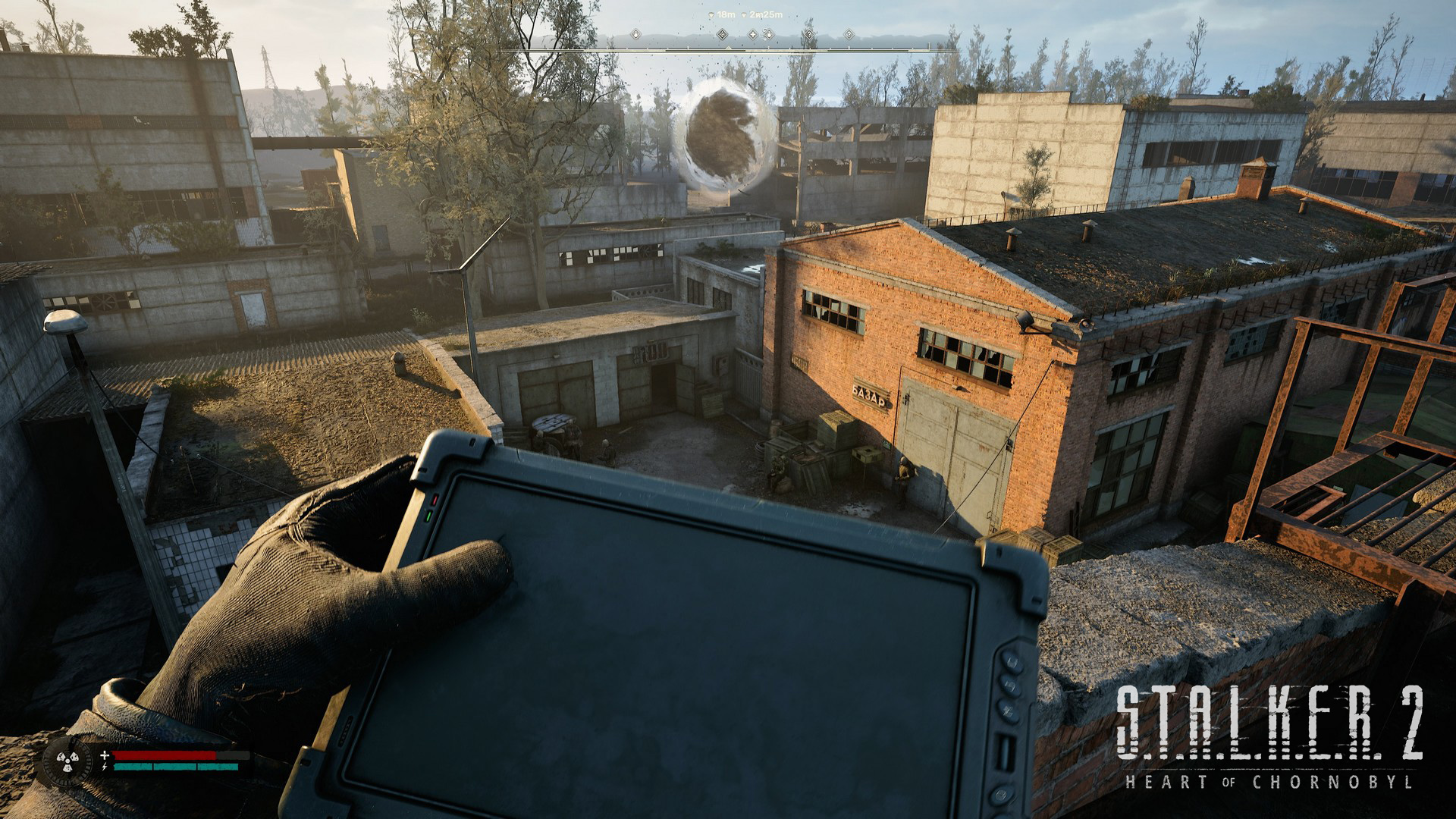
This level of detail disrupts player expectations. In most games, clutter is placed for cover or loot. Here, it’s just there—because it would be.
2. Environmental Storytelling Without UI
No quest markers. No glowing objectives. The video emphasizes player agency through observation.
At one point, the camera follows a trail of blood leading to a collapsed tunnel. Inside, a dying Stalker clutches a notepad. The player character doesn’t automatically read it. They have to pick it up, turn the page, interpret it.
This mirrors the original Stalker games, where narrative wasn’t delivered via cutscenes but pieced together from context. The video shows how this philosophy scales in Stalker 2: - A child’s doll in a gas mask - A makeshift memorial with spent bullets and photos - A locked door with “DON’T FOLLOW” scratched into it
No narration. No prompts. Just implication.
3. Sound Design as a Survival Mechanic
The audio mix in the video is sparse but loaded. Wind. Dripping water. The low hum of a still-active reactor. But the real innovation is in how sound functions mechanically.
We hear a distant howl—unidentified. Is it a mutant? A dog? The wind? The player has no minimap to confirm. They must use audio cues to triangulate danger.
Later, the video shows a sequence where the player enters a building. The soundtrack drops out. Only ambient noise remains. Then—a faint click. A Geiger counter. Radiation levels rise. The player must react before the UI updates.
This isn’t just immersion. It’s tension by design.
The Risk of Authenticity in Modern Gaming
Pushing this hard on realism isn’t without risk. The video acknowledges potential friction points:
- Accessibility concerns: No objective markers could frustrate players used to guided experiences.
- Pacing: Long stretches of silence and exploration may feel slow to players expecting constant action.
- Localization challenges: Heavy use of untranslated dialogue and Cyrillic text may alienate some audiences.
But the team seems to embrace these trade-offs. One developer states: “We’re not making a game for everyone. We’re making it for the Zone’s survivors.”
This isn’t arrogance. It’s focus.
How This Compares to Other Immersive Sims
It’s worth contextualizing Stalker 2’s approach against other titles in the immersive sim genre:
| Game | Realism Focus | UI Reliance | Environmental Storytelling |
|---|---|---|---|
| Deus Ex: Mankind Divided | High (cyberpunk realism) | Heavy (HUD, markers) | Strong, but scripted |
| Metro Exodus | Very High (post-nuclear survival) | Moderate (Geiger counter, map) | Excellent, linear |
| Prey (2017) | Sci-fi realism | High (mission logs, objectives) | Deep but guided |
| Stalker 2 (shown) | Maximum (gritty, unpredictable) | Minimal (no markers) | Emergent, player-driven |
Stalker 2 appears to position itself as the least guided of the bunch. While Metro and Prey use realism to enhance narrative, Stalker 2 uses it to replace traditional storytelling scaffolding.
Behind the Scenes: Developer Insights
The video includes brief interviews with designers and sound engineers, offering rare transparency. Key takeaways:
- AI Behavior: NPCs use real survival tactics—taking cover, retreating when injured, scavenging for ammo. No “gamey” respawns.
- Dynamic Weather: Storms aren’t visual effects. They impact visibility, sound propagation, and mutant behavior.
- Mod Support: The team confirms full modding tools at launch, emphasizing community-driven authenticity.
One sound designer explains how they recorded actual Geiger counters, gas mask filters, and Soviet-era radios to build the audio library. “We didn’t want movie radiation,” he says. “We wanted the fear of radiation.”
What This Means for Players
If you’re the type of player who: - Pauses to read every note - Explores every room, even if there’s no loot - Feels anxiety when your flashlight flickers - Wants the world to feel lived in, not designed
Then this video isn’t just promising. It’s validating.
But if you rely on quest markers, fast travel, or combat-heavy pacing, Stalker 2 may test your patience. The video makes no effort to disguise that.
Common Misconceptions to Avoid
- “It’s just a prettier Stalker 1”: No. The tech and scale are vastly expanded. The philosophy is deeper.
- “No UI means no guidance”: Not true. The world is the UI. Learn to read it.
- “This is just another FPS”: It’s an immersive sim first, shooter second.
Final Thoughts: A Rare Commitment to Truth
In a market flooded with hyper-polished, algorithmic open worlds, Stalker 2’s 35-minute video feels like a quiet revolution. It doesn’t sell hype. It sells weight. The weight of a loaded backpack. The weight of a decision. The weight of being truly alone in a broken world.
Authenticity isn’t just a visual style here. It’s a promise: that every bullet matters, every sound warns, every shadow hides something real.
For players hungry for games that don’t handhold, that don’t explain, that don’t perform—this is the signal you’ve been waiting for.
Stay alert. Stay quiet. The Zone is waking up.
FAQ
What is the 35-minute Stalker 2 video about? It’s a developer-led deep dive into the game’s commitment to realism, showcasing environmental design, sound, AI, and immersive storytelling without traditional UI.
Is the video gameplay or a cinematic? It features real in-engine footage and gameplay moments, not scripted cinematics, emphasizing authentic player experiences.
Does Stalker 2 have quest markers or a HUD? No. The game relies on environmental cues, audio, and player observation instead of on-screen UI elements.
How does Stalker 2 handle storytelling? Through environmental details, scattered notes, NPC behavior, and audio logs—players piece together the narrative organically.
Will the game be too difficult for casual players? It’s designed for immersive sim fans who value exploration and realism over guided progression, which may challenge casual audiences.
Is the video available with subtitles? Yes, official uploads include English subtitles for dialogue and developer commentary.
Does Stalker 2 support mods? Yes, the team confirms full mod support and development tools will be available at launch.
FAQ
What should you look for in Stalker 2 Team Releases 35-Minute Deep Dive on Authenticity? Focus on relevance, practical value, and how well the solution matches real user intent.
Is Stalker 2 Team Releases 35-Minute Deep Dive on Authenticity suitable for beginners? That depends on the workflow, but a clear step-by-step approach usually makes it easier to start.
How do you compare options around Stalker 2 Team Releases 35-Minute Deep Dive on Authenticity? Compare features, trust signals, limitations, pricing, and ease of implementation.
What mistakes should you avoid? Avoid generic choices, weak validation, and decisions based only on marketing claims.
What is the next best step? Shortlist the most relevant options, validate them quickly, and refine from real-world results.